
 By

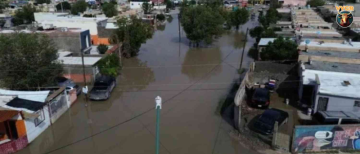
Cyclone Arnab is approaching India's eastern coastline, bringing heavy rainfall, powerful winds and mounting concerns about flooding and damage across vulnerable coastal districts. Authorities in Andhra Pradesh and Odisha have stepped up emergency preparations as the very severe cyclonic storm moves towards the coast, with its landfall now expected during the early hours of Wednesday, October 28.
The latest India Meteorological Department (IMD) forecast indicates that Cyclone Arnab is likely to cross the Andhra Pradesh and Yanam coasts between Bapatla and Visakhapatnam, close to south of Yanam, between 2 am and 4 am. The storm is expected to produce sustained winds of 125–135 kmph, with gusts reaching 150 kmph.
Adding to concerns, an estimate from the US Navy's Joint Typhoon Warning Center (JTWC) suggests that the cyclone could intensify further, potentially producing winds of up to 222 kmph. Although this projection is considerably higher than the IMD's forecast, it has heightened attention on the storm's possible intensity and destructive potential.
With the cyclone moving closer to land, emergency teams, local administrations and disaster management authorities are working to protect residents, arrange evacuations and minimise disruption.
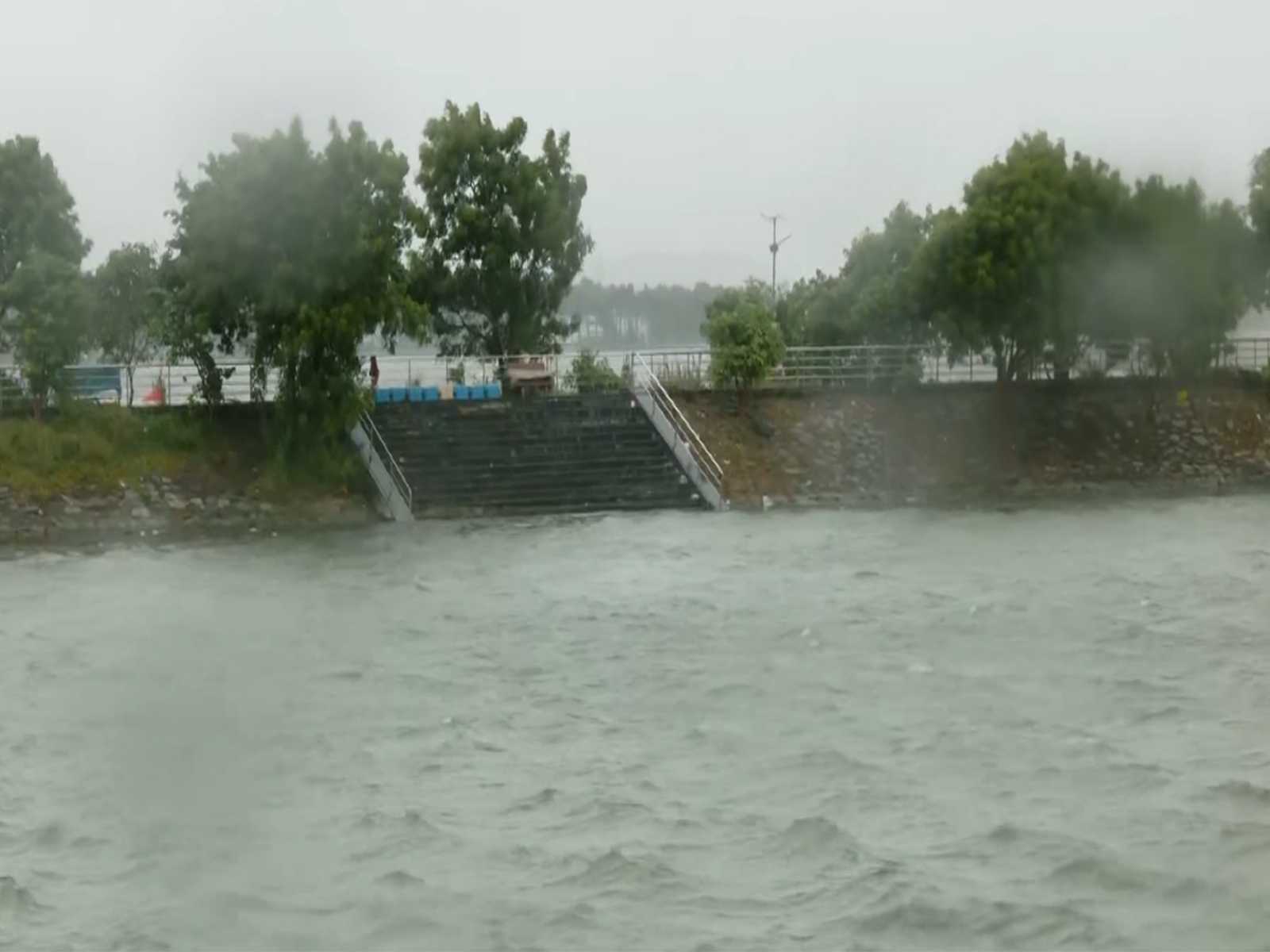
Cyclone Arnab Landfall: When and Where Will the Storm Hit?
According to the latest IMD update issued on Tuesday evening, Cyclone Arnab is expected to make landfall along the Andhra Pradesh coast during the early hours of October 28.
The storm is forecast to cross the coastline between Bapatla and Visakhapatnam, near Yanam. Its movement has accelerated the expected timeline, with meteorologists bringing forward the projected landfall to between 2 am and 4 am on Wednesday.
At 5:30 pm on October 27, the very severe cyclonic storm was located over the west-central Bay of Bengal, approximately 90 km southeast of Kakinada. It had moved west-northwestwards at around 18 kmph during the preceding six hours.
The IMD has warned that the storm could bring sustained winds of 125–135 kmph, with gusts reaching 150 kmph as it crosses the coast. Such conditions can damage vulnerable structures, uproot trees, disrupt electricity supplies and make travel dangerous.
The weather department has also reported that the cyclone's outer spiral bands have begun interacting with land, signalling that its effects are already reaching coastal areas.
For residents in the projected landfall zone, the hours leading up to the storm's arrival are critical. People in vulnerable locations should prioritise evacuation instructions and avoid waiting until winds and rainfall intensify.
Cyclone Arnab Wind Speed: Why the 222 kmph Warning Matters
One of the most concerning developments surrounding Cyclone Arnab is the difference between the wind-speed estimates issued by meteorological agencies.
The IMD's forecast places the cyclone's maximum sustained wind speed at 125–135 kmph, with gusts up to 150 kmph during landfall. In contrast, the US Navy's Joint Typhoon Warning Center projected that the storm could strengthen to sustained winds of approximately 222 kmph.
Its bulletin estimated maximum sustained winds of around 213 kmph, with gusts potentially reaching 259 kmph, before projecting a further increase in sustained winds to approximately 222 kmph.
These figures represent different forecasts, not a confirmed wind speed that the cyclone will necessarily reach. The higher projection should therefore be understood as a warning about the storm's potential intensity rather than a certainty.
Nevertheless, the difference highlights the challenges involved in forecasting rapidly changing tropical cyclones. Conditions over the Bay of Bengal, including ocean heat and atmospheric factors, can influence how quickly a storm strengthens or weakens.
For coastal communities, the practical message remains the same: follow official warnings, move away from exposed and flood-prone areas when instructed, and do not underestimate the risks posed by powerful winds and torrential rain.
Even if the cyclone does not reach the highest projected intensity, its forecast winds are already strong enough to threaten infrastructure, transport and public safety.
Andhra Pradesh on High Alert as Evacuation Plans Intensify
Andhra Pradesh is at the centre of preparations for Cyclone Arnab, with the state government coordinating evacuation operations, emergency services and essential supplies.
Chief Minister N. Chandrababu Naidu has reviewed the situation repeatedly and directed officials to ensure that vulnerable residents receive timely assistance. Authorities have identified 2,199 cyclone shelters and prepared evacuation plans, prioritising elderly people, children, pregnant women and persons with disabilities.
According to the state government's preparedness update, 2,360 pregnant women had already been shifted to medical facilities. Twelve National Disaster Response Force (NDRF) teams and ten State Disaster Response Force (SDRF) teams have been assigned to districts, with deployment underway.
Police personnel, fire services and medical teams have also been mobilised, while the Navy and Coast Guard remain ready to assist if required.
The administration is arranging food, drinking water, medicines and generators to support affected communities. More than 8,400 power restoration personnel have also been mobilised to respond to potential electricity disruptions.
These preparations are particularly important because severe cyclones can cause multiple emergencies simultaneously. Flooding may isolate settlements, fallen trees can block roads, and damaged power lines can complicate rescue and relief operations.
Residents have been urged to remain calm, avoid unnecessary travel and move to designated shelters whenever instructed. Authorities have also advised people to keep essential supplies and charged mobile phones ready.
Odisha Braces for Heavy Rainfall and Flooding
Although Andhra Pradesh is expected to experience the direct impact of Cyclone Arnab's landfall, Odisha is also preparing for heavy rainfall, strong winds and localised flooding.
The approaching storm has prompted authorities to strengthen evacuation arrangements in low-lying and landslide-prone areas. Odisha officials have planned to relocate at least 48,000 people from vulnerable locations as conditions deteriorate.
Weather alerts have raised concerns about heavy to extremely heavy rainfall in parts of the state. Strong winds and persistent rain can increase the risk of waterlogging, falling trees, road disruption and damage to temporary structures.
Authorities have also taken precautionary steps affecting transport and public activity. Boat and ferry services on Chilika Lake have been suspended until October 29, while fishermen have been provided shelter at Paradip Port.
Schools in Khordha district have been ordered to close in view of the cyclone's impact, with the closure covering government, government-aided and private institutions.
The broader concern is that the effects of a severe cyclone can extend well beyond its landfall point. Rain bands may affect inland districts, while saturated ground and swollen rivers can create additional hazards even as the storm begins weakening over land.
Residents should monitor district-level announcements for updated rainfall warnings, transport restrictions and evacuation instructions.
MHA Issues Advisory to 14 States and Union Territories
The Union Ministry of Home Affairs (MHA) has directed 14 states and Union Territories to maintain heightened vigilance and take precautionary measures as Cyclone Arnab approaches the eastern coast.
The advisory covers West Bengal, Odisha, Andhra Pradesh, Tamil Nadu, Puducherry, Telangana, Sikkim, Jharkhand, Bihar, Chhattisgarh, Uttar Pradesh, Maharashtra, Madhya Pradesh, and the Andaman and Nicobar Islands.
State administrations have been asked to monitor the evolving weather situation closely, coordinate emergency responses and keep authorities informed about significant developments.
Particular emphasis has been placed on evacuating people from vulnerable coastal areas, suspending fishing operations and ensuring that residents follow official safety instructions.
The advisory also calls for precautions involving road and rail traffic, with authorities urged to enforce traffic warnings and prevent people from entering waterlogging-prone locations.
Fisheries departments and fishing harbour authorities have been instructed to alert fishermen and monitor marine warnings issued by the IMD. Small boats and motorboats have been deemed unsafe under the prevailing conditions.
Maritime authorities have also been asked to review communication systems, vessel-tracking arrangements and search-and-rescue preparedness.
The wide geographical scope of the advisory reflects the possibility of impacts extending beyond the immediate coastal belt. Rainfall, transport disruption and secondary weather hazards can affect several states as a cyclone moves inland and weakens.
Cyclone Arnab Name: Who Named the Storm and What Does It Mean?
As Cyclone Arnab dominates weather headlines, many people are also asking how the storm received its name.
The name Arnab was proposed by Bangladesh and forms part of the regional tropical cyclone naming system adopted in April 2020 by the World Meteorological Organization and the United Nations Economic and Social Commission for Asia and the Pacific Panel on Tropical Cyclones.
The official list contains 169 names submitted by 13 countries: Bangladesh, India, Iran, the Maldives, Myanmar, Oman, Pakistan, Qatar, Saudi Arabia, Sri Lanka, Thailand, the United Arab Emirates and Yemen.
Each participating country contributed 13 names. These are used in an agreed sequence as tropical cyclones develop over the North Indian Ocean, which includes the Bay of Bengal and the Arabian Sea.
The name Arnab is commonly associated with the Bengali word for the ocean or sea. However, the official naming list identifies Bangladesh as the country that proposed the name without providing a formal definition of the word.
Importantly, the country that proposes a cyclone's name does not determine where the storm will make landfall. A name submitted by Bangladesh can be assigned to a cyclone that subsequently affects India or another country in the region.
Naming storms helps meteorologists, governments, emergency services and the public distinguish one weather system from another. It also makes warnings easier to communicate, particularly when several systems are being monitored simultaneously.
Cyclone Arnab Safety Advisory: What Should Residents Do?
With Cyclone Arnab approaching the coast, following official instructions is essential to reducing the risk of injury and loss of life.
Residents in vulnerable coastal and low-lying areas should evacuate to designated shelters when directed by local authorities. People should avoid beaches, riverbanks, flooded roads and other locations exposed to strong winds or rising water.
Fishermen should remain ashore until authorities issue clearance. Travelling by small boat or motorboat during dangerous marine conditions can be life-threatening.
Households should keep drinking water, essential medicines, basic food supplies, flashlights and charged mobile phones accessible. People should also avoid fallen electrical wires and stay away from damaged or unstable buildings.
Unnecessary journeys should be postponed, particularly in areas facing severe weather warnings. Transport services may be disrupted as authorities respond to changing conditions, so passengers should check with airlines and other operators before travelling.
Above all, residents should rely on official weather bulletins and local administration announcements rather than unverified social media claims.
Cyclone Arnab Latest News: What Happens Next?
Cyclone Arnab is approaching a critical stage as it moves towards the Andhra Pradesh coast, with the latest forecast pointing to landfall between Bapatla and Visakhapatnam during the early hours of October 28.
The IMD's projected winds of 125–135 kmph, gusting to 150 kmph, already indicate the potential for significant damage. The higher wind-speed estimate issued by the US Navy's forecasting centre adds to concerns about possible intensification, although the storm's eventual strength remains uncertain.
For Andhra Pradesh, the immediate priorities are evacuation, emergency response and protecting essential infrastructure. Odisha and other states on alert must also prepare for heavy rainfall, flooding and transport disruption.
The coming hours will be crucial in determining the extent of the cyclone's impact. As the situation evolves, timely warnings, coordinated rescue operations and public cooperation will play a decisive role in protecting lives.
Residents should continue monitoring official Cyclone Arnab live updates and follow instructions from local authorities until the danger has passed.
© Copyright 2026. All Rights Reserved. Powered by Vygr Media.